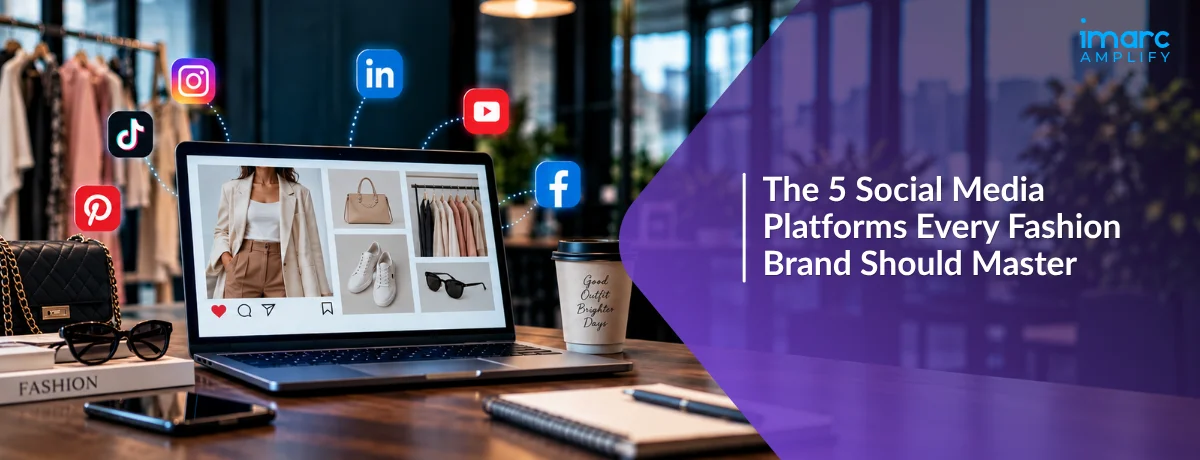
A single outfit photo can land a sale on Pinterest six months from now, get remixed into a trend on TikTok next week, and drive a direct-message order on Instagram tonight. Same photo, three completely different jobs.
That's the reality of social media marketing for fashion brands right now. No single platform does everything, and roughly 78% of fashion purchases are influenced by social content before checkout ever happens. Spreading effort evenly across every platform usually means doing all of them poorly.
This article breaks down the five platforms that actually matter for social media marketing for fashion, what each one is genuinely good at, and how to prioritize your time across them without burning out a small team.
Why Platform Choice Matters More for Fashion Than Almost Any Other Category
Fashion is one of the most visually driven, trend-sensitive categories on social media, and each major platform rewards a different kind of visual behavior. Treating them all the same wastes content that could be performing three times better with a small format change.
The stakes are real too. Some 80% of fashion consumers actively engage with content before buying, and brands using at least three platforms account for 56% of the category. The question isn't whether to be on multiple platforms, it's which ones actually deserve your best content.
Consistency compounds this effect further. Brands that post daily see engagement grow roughly 2.3 times faster than those posting sporadically, which means the platform decision and the consistency decision need to be made together, not separately.
1. Instagram: The Discovery and Storefront Platform
Instagram remains the top platform for brand discovery in fashion, with 64% of consumers finding new brands there first, and it still leads for luxury fashion specifically. It functions less like a single channel and more like a full storefront: Reels for reach, Stories for urgency, and Shop tags for the actual sale.
Average views per Reel have climbed 43% recently, and Instagram fashion accounts should aim for a 1.0-1.5% engagement rate as a realistic benchmark rather than chasing viral outliers. Shares and saves matter more here than likes, since they signal content worth acting on later.
What performs best: styling videos that show an outfit in motion, carousel posts breaking down "how to wear this three ways," and Shop-tagged product posts that let a follower buy without leaving the app.
Instagram also rewards a consistent aesthetic more than any other platform on this list. A grid that feels cohesive when viewed all at once tends to earn more profile visits and follows from someone who just discovered the brand through a single Reel.
2. TikTok: The Trend and Culture Engine
TikTok drives fashion conversation faster than any other platform, and 52% of Gen Z shoppers now prefer it over Google for fashion inspiration entirely. TikTok fashion content generates roughly double the engagement of the same idea posted as an Instagram Reel.
Engagement rates have actually softened slightly, down to about 2.4% from 2.9%, even as views climbed 13%. That combination means reach is easier to earn than deep engagement, so a video needs a genuine hook in the first two seconds to hold attention once it's been shown.
What performs best: unboxing and try-on hauls, trend-participation content using an already-popular sound or format, and behind-the-scenes clips from a photoshoot or design process. Authenticity outperforms polish here more than on any other platform in this list.
Influencer partnerships also carry particular weight on TikTok. About 60% of fashion shoppers say influencer recommendations directly affect their purchase decisions, and 48% actually trust micro-influencers more than celebrity endorsements, which makes smaller, niche creators a genuinely efficient place to invest.
3. Pinterest: The High-Intent Purchase Platform
Pinterest looks quieter than TikTok or Instagram, but the buying intent behind it is dramatically higher. Some 85% of weekly Pinterest users make purchases based on pins they've seen, and Pinterest shoppers spend roughly 30% more per transaction than shoppers coming from Instagram or Facebook.
Fashion and clothing already make up 27% of all pins globally, and searches like "outfit inspiration" rank among the most searched terms on the platform in the US. Visual search specifically converts 62% higher than text-based search, which matters since Pinterest users often search by image rather than keyword.
What performs best: styled outfit boards organized by occasion or season, seasonal lookbooks pinned well ahead of the season itself, and individual product pins with clear, well-lit photography. Pinterest content has a much longer shelf life than a TikTok video or Instagram Story, so it keeps earning traffic for months.
4. YouTube: The Fastest-Growing Fashion Channel
YouTube is quietly becoming one of the strongest-performing platforms for fashion, with views up 68% and Shorts specifically growing 121%. Average watch time on fashion content there now exceeds 100 seconds, which is a meaningful amount of attention in a scroll-driven media landscape.
Long-form YouTube content also does something the other platforms can't: it holds space for a genuine style guide, a full seasonal lookbook video, or an in-depth "get ready with me" that builds far deeper familiarity with a brand than a 15-second clip ever could.
What performs best: Shorts repurposed from TikTok or Instagram content for extra reach, longer styling and haul videos that go deeper than short-form allows, and collaboration videos with creators who already have an engaged fashion audience.
5. Facebook: The Reach and Retargeting Layer
Facebook isn't where fashion trends start, but it still plays a real role, particularly for retargeting and reaching an older or more established customer base than TikTok or Pinterest typically reach. Facebook Shops now sees roughly 250 million people interacting with it monthly, a scale most other platforms can't match for direct commerce.
Its real strength for fashion brands lies in ads rather than organic reach. Retargeting a shopper who viewed a product on Instagram or your website, using the same creative already proven to work elsewhere, tends to perform better here than any original Facebook-first content.
What performs best: retargeting ads using top-performing Instagram or TikTok creative, customer group communities for loyal repeat shoppers, and Facebook Shop listings kept in sync with your other channels.
Live shopping events deserve a mention here too, since they can lift sales by up to 300% during the event itself when run well, whether hosted natively or promoted through a Facebook event tied to a broader campaign.
How to Prioritize These Platforms With a Limited Team
Most fashion brands, especially smaller ones, don't have the bandwidth to run all five platforms at full strength simultaneously. Sequencing matters more than spreading thin.
Start with Instagram and TikTok as your foundation, since together they cover both discovery and trend participation, the two things a growing fashion brand needs most. Layer in Pinterest next specifically because of its long content shelf life, since a lookbook pinned once can keep converting for months with zero ongoing effort.
Add YouTube once you have a backlog of short-form content worth repurposing into Shorts, rather than starting there from scratch. Treat Facebook primarily as an ad and retargeting channel rather than a content priority, since that's where it earns its keep for most fashion brands today.
Top-performing fashion brands post around eight times a week across TikTok, Instagram, and YouTube combined. That's a useful benchmark for pacing, roughly a post a day spread across your top two or three platforms rather than trying to hit that volume on every channel at once.
A Quick Example: One Dress, Five Platforms
Picture a single new dress launch. On Instagram, it becomes a styling Reel showing three outfit variations, tagged directly for shopping. On TikTok, the same dress appears in a quick try-on video using a trending sound, focused on the fabric movement and fit.
On Pinterest, it's pinned as part of a "fall wedding guest looks" board that will keep surfacing in searches for months. On YouTube, it gets folded into a longer seasonal lookbook video alongside five other new pieces. On Facebook, it shows up as a retargeting ad to everyone who viewed the Instagram post but didn't buy.
One product, five different jobs, each matched to what that specific platform's audience actually responds to. That's the difference between spreading one idea across platforms and actually understanding what each one is for.
None of this requires five separate photoshoots either. A single well-planned content day, shot with each platform's format in mind from the start, can produce all five versions without multiplying production costs.
Common Mistakes Fashion Brands Make Across Platforms
A few recurring habits limit how well a multi-platform strategy actually performs.
Posting the exact same content everywhere. A vertical TikTok video dropped unedited into a Pinterest pin or a YouTube Short performs worse than content shaped for that platform's specific format and audience expectations.
Ignoring Pinterest because it feels quiet. Lower daily engagement numbers hide genuinely higher purchase intent, and brands that skip it are leaving some of the highest-converting traffic on the table.
Chasing every TikTok trend regardless of fit. Trend participation works best when it still feels authentically like the brand, not like a forced attempt to stay relevant that confuses long-time followers.
Treating Facebook as a content platform instead of an ads platform. Original organic content there rarely performs as well as retargeting ads built from creative that already proved itself elsewhere.
Spreading a small content budget across all five platforms equally. Two platforms done exceptionally well almost always outperform five platforms done at a mediocre, inconsistent level.
How to Measure Whether Your Platform Mix Is Working
Track saves and shares on Instagram and Pinterest specifically, since those actions predict future purchase intent better than likes or comments ever do. A high-like, low-save post usually means entertaining content that isn't actually driving consideration.
On TikTok, watch completion rate and shares over raw view count, since views have grown faster than engagement recently, meaning reach alone doesn't guarantee real interest. On YouTube, average watch time tells you whether longer content is actually holding attention or just getting clicked and abandoned.
Review platform-level revenue attribution monthly if your e-commerce platform supports it. Knowing that Pinterest drives fewer visits but higher-value transactions, for example, changes how you'd justify continued investment there compared to judging it on traffic volume alone.
Conclusion
Social media marketing for fashion brands works best when each platform gets a job that matches what it's actually good at, rather than the same content copied five times over. Instagram for discovery, TikTok for culture, Pinterest for intent, YouTube for depth, and Facebook for retargeting.
Start with the two platforms that fit your brand and team size best, do them well and consistently, and expand from there. A focused presence on two platforms will always outperform a scattered presence across all five.

Frequently Asked Questions
1. Which social media platform should a new fashion brand start with?
Instagram and TikTok together cover the most ground for a new brand, handling both discovery and trend participation, the two things early-stage fashion brands need most.
2. Is Pinterest really worth the effort for fashion brands?
Yes. Weekly Pinterest users show significantly higher purchase intent than users on other platforms, and pinned content keeps generating traffic for months after posting, unlike a TikTok video or Instagram Story.
3. Should fashion brands post the same content on every platform?
No. Content reshaped for each platform's format and audience expectations consistently outperforms identical content posted everywhere, since each platform rewards different visual behavior.
4. How often should a fashion brand post on social media?
Around eight posts a week spread across your top two or three platforms is a reasonable benchmark, prioritizing consistency on fewer channels over thin coverage across all of them.
5. Is Facebook still relevant for fashion brand marketing?
Yes, mainly for retargeting ads and reaching an established customer base rather than organic content, since Facebook Shops still reaches a massive monthly audience for direct commerce.
6. Does TikTok really outperform Instagram for fashion engagement?
On average, yes. TikTok fashion content generates roughly double the engagement of similar content on Instagram Reels, though Instagram still leads for brand discovery and luxury fashion specifically.
7. How do I know which platform is actually driving sales, not just engagement?
Track platform-level revenue attribution through your e-commerce analytics rather than relying on engagement metrics alone, since a platform with lower traffic can still drive higher-value purchases.
8. Can a small fashion brand realistically manage all five platforms?
Not usually, and it's not necessary. Prioritizing two platforms done consistently well typically outperforms a thin, inconsistent presence spread across all five.